

Selecting the Right Fuel Type for Your Generator

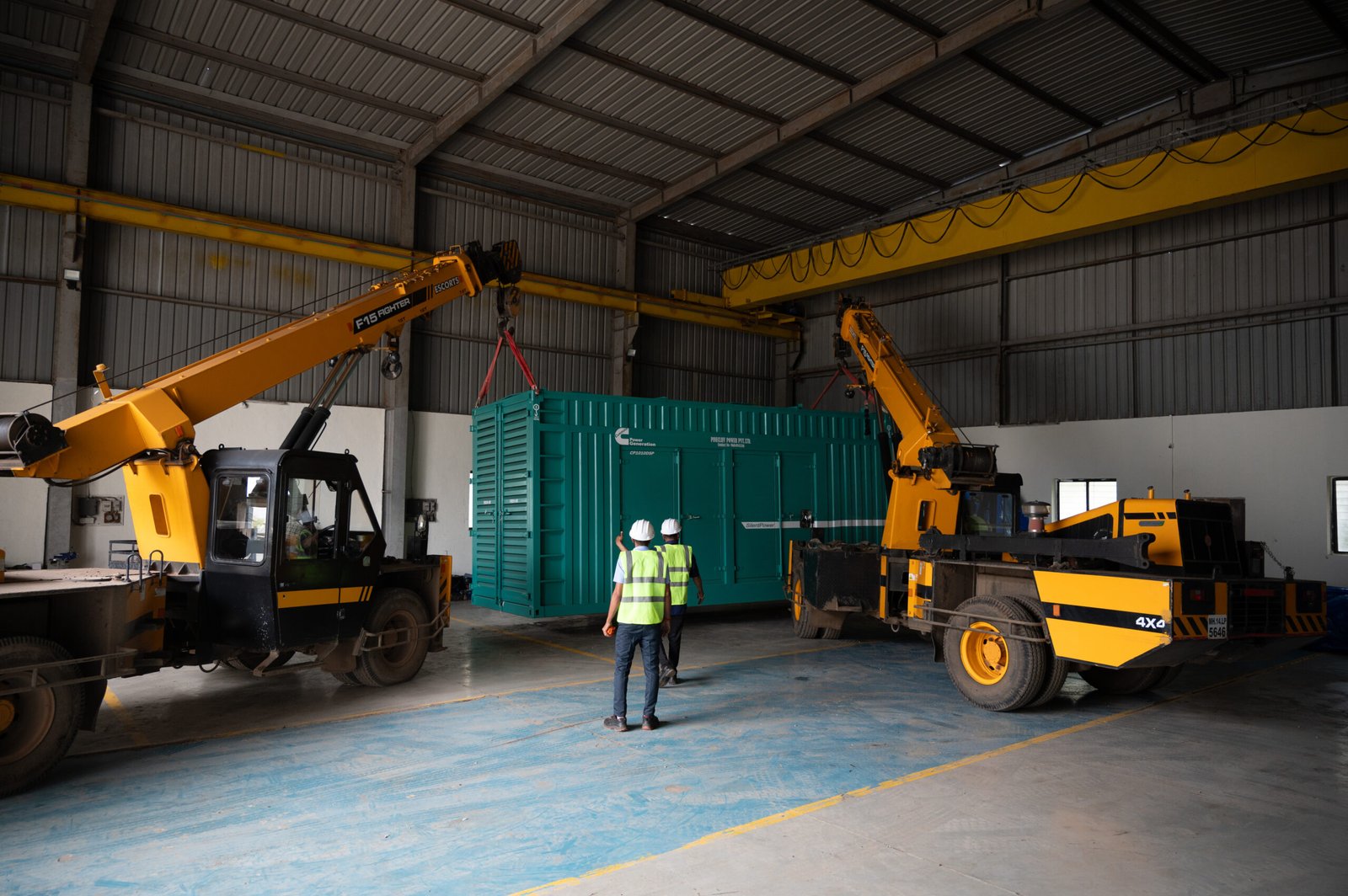
When considering a generator rental, selecting the appropriate fuel type is crucial for optimizing performance and efficiency. Diesel is often favored for its reliability and energy density, while bio-diesel presents a more environmentally friendly alternative. Natural gas offers convenience and lower emissions, making it suitable for various applications. Hybrid options combine multiple fuel sources, allowing for flexibility and adaptability to different operational needs.
Choosing the right fuel type for your generator rental is more than just a technical decision — it directly affects your operating cost, environmental impact, and performance reliability. Whether you’re powering a construction site, an outdoor event, or an emergency backup system, understanding the pros and cons of diesel, bio-diesel, natural gas, and hybrid generators helps you make a smarter and more sustainable choice.
Diesel Generators – The Industry Standard
Diesel remains the most common and widely available fuel type in generator rentals. These generators are known for their high energy density, efficiency, and durability. They deliver consistent power output and are often preferred for heavy-duty applications such as industrial use, construction, and backup power for large facilities.
Advantages of Diesel Generators
- High fuel efficiency and energy output per liter.
- Robust performance in demanding or remote environments.
- Widespread availability of diesel fuel worldwide.
- Long engine life with proper maintenance.
Limitations
- Higher emissions compared to cleaner alternatives.
- Potential noise levels unless using sound-attenuated units.
- Requires regular fuel and filter maintenance to prevent contamination.
Bio-Diesel Generators – A Greener Diesel Alternative
Bio-diesel is derived from renewable sources such as vegetable oils or animal fats and can be used in many standard diesel generators with little or no modification. It offers a more eco-friendly option while maintaining similar performance levels.
Advantages of Bio-Diesel
- Reduced carbon footprint and lower greenhouse gas emissions.
- Biodegradable and non-toxic, reducing environmental risks from spills.
- Compatible with most diesel generator engines (B20 blends or higher).
Limitations
- May have a shorter shelf life compared to regular diesel.
- Cold-weather performance can be lower without additives.
- Fuel availability may vary depending on region.
Natural Gas Generators – Clean, Quiet, and Cost-Efficient
Natural gas generators are rapidly gaining popularity due to their clean-burning properties and steady fuel supply through pipelines. They’re an excellent choice for urban locations, continuous-power operations, and areas where emissions regulations are strict.
Advantages of Natural Gas Generators
- Lower emissions and reduced environmental impact.
- Quieter operation, ideal for residential and event applications.
- Steady fuel supply via gas lines—no on-site refueling required.
- Lower long-term operating cost compared to diesel in many markets.
Limitations
- Dependence on natural gas infrastructure or pipeline access.
- Less portable compared to fuel-tank-fed diesel units.
- Slightly lower power density, making them less ideal for peak-load applications.
Hybrid Generators – The Future of Smart Power
Hybrid generator systems combine traditional engines (usually diesel) with renewable energy sources or battery storage. These setups intelligently switch between power sources, significantly improving fuel efficiency and reducing emissions.
Advantages of Hybrid Generators
- Up to 40% reduction in fuel consumption and CO₂ emissions.
- Near-silent operation during battery-only mode.
- Ideal for remote sites and events requiring sustainability compliance.
- Lower maintenance costs due to reduced engine run-time.
Limitations
- Higher upfront rental or installation cost.
- Requires more sophisticated monitoring and setup.
- Limited availability depending on rental providers.
Choosing the Right Fuel Type for Your Needs
The ideal generator fuel depends on your project’s goals, location, and runtime expectations. Here’s a quick guide:
- Construction & Industrial Sites: Diesel or Bio-Diesel for high power output and reliability.
- Events & Residential Use: Natural Gas or Hybrid systems for cleaner, quieter operation.
- Remote or Off-Grid Locations: Diesel or Hybrid setups with solar-battery integration for efficiency.
- Sustainability-Focused Projects: Bio-Diesel or Hybrid systems to meet green energy goals.
Always discuss your project requirements with your rental provider to ensure proper sizing, compliance, and fuel availability. The right combination of generator type and fuel can reduce costs, minimize downtime, and align with environmental targets.
Pine Cliff Power offers a full range of generator rental options including diesel, bio-diesel, natural gas, and hybrid systems. Contact us today to discuss the best fuel solution for your next project or event.