
Diesel Generator Rental & Generator Rental Services | Portable Generators Near You

How to Read Generator Technical Specs: What Every Buyer/Renter Should Know
When it comes to renting or buying a generator, the biggest mistake many people make is choosing based on price or brand name alone. Generators are complex machines, and their performance depends on specific technical details that often get overlooked. For event organizers, construction managers, or businesses needing backup power, understanding technical specifications can be the difference between seamless operation and costly downtime.
This blog goes beyond the basics and breaks down generator specifications into practical, easy-to-understand insights. By the end, you’ll know exactly what to look for in a spec sheet, how to compare models, and how to confidently discuss your needs with a rental provider or dealer.
Key Generator Specifications Explained
Generator spec sheets might look intimidating at first glance, filled with numbers, ratings, and unfamiliar terms. But once you know what to look for, these details will guide you in selecting the right equipment. Below are the specs you should pay attention to:
1. Power Rating (kW/kVA)
The power rating is the most critical figure on any generator spec sheet. It tells you how much electricity the generator can provide. Generators are rated in kilowatts (kW) or kilovolt-amperes (kVA). While kW measures actual usable power, kVA accounts for total power including efficiency losses.
For instance, if your construction site requires 80 kW of continuous power, you shouldn’t rent an 80 kW generator. You should rent one rated at least 100 kW (20–25% higher). This buffer ensures you won’t overload the generator during peak demand and extends its lifespan.
2. Prime vs. Standby Power
Not all generators are designed for the same type of use. Standby power is the maximum output the generator can deliver during emergencies, like a power outage. Prime power is the continuous output it can provide for extended use.
For example, a hospital using a generator for backup during power failures should look at standby-rated units. A mining site that runs equipment daily for long hours should use a prime-rated generator. Mixing these up can result in costly breakdowns.
3. Voltage & Phase
Generators are available in single-phase and three-phase options. Single-phase models are common in households and small businesses, while three-phase models are used in industries where heavy-duty machinery is involved.
Let’s say you’re organizing a wedding event with lighting and sound equipment. A single-phase generator might be sufficient. But if you’re powering cranes or heavy pumps at a construction site, you’ll need a three-phase generator to handle the load.
4. Fuel Type & Consumption
Fuel is often the biggest ongoing cost for generator users. Spec sheets usually include the fuel type (diesel, natural gas, or propane) and consumption rate measured in liters per hour. This information allows you to calculate running costs and plan for adequate fuel storage.
For example, if a diesel generator consumes 15 liters per hour and your event runs for 10 hours, you’ll need at least 150 liters of fuel. Factoring in this cost upfront helps you budget better and prevents mid-event shortages.
5. Noise Level (dB)
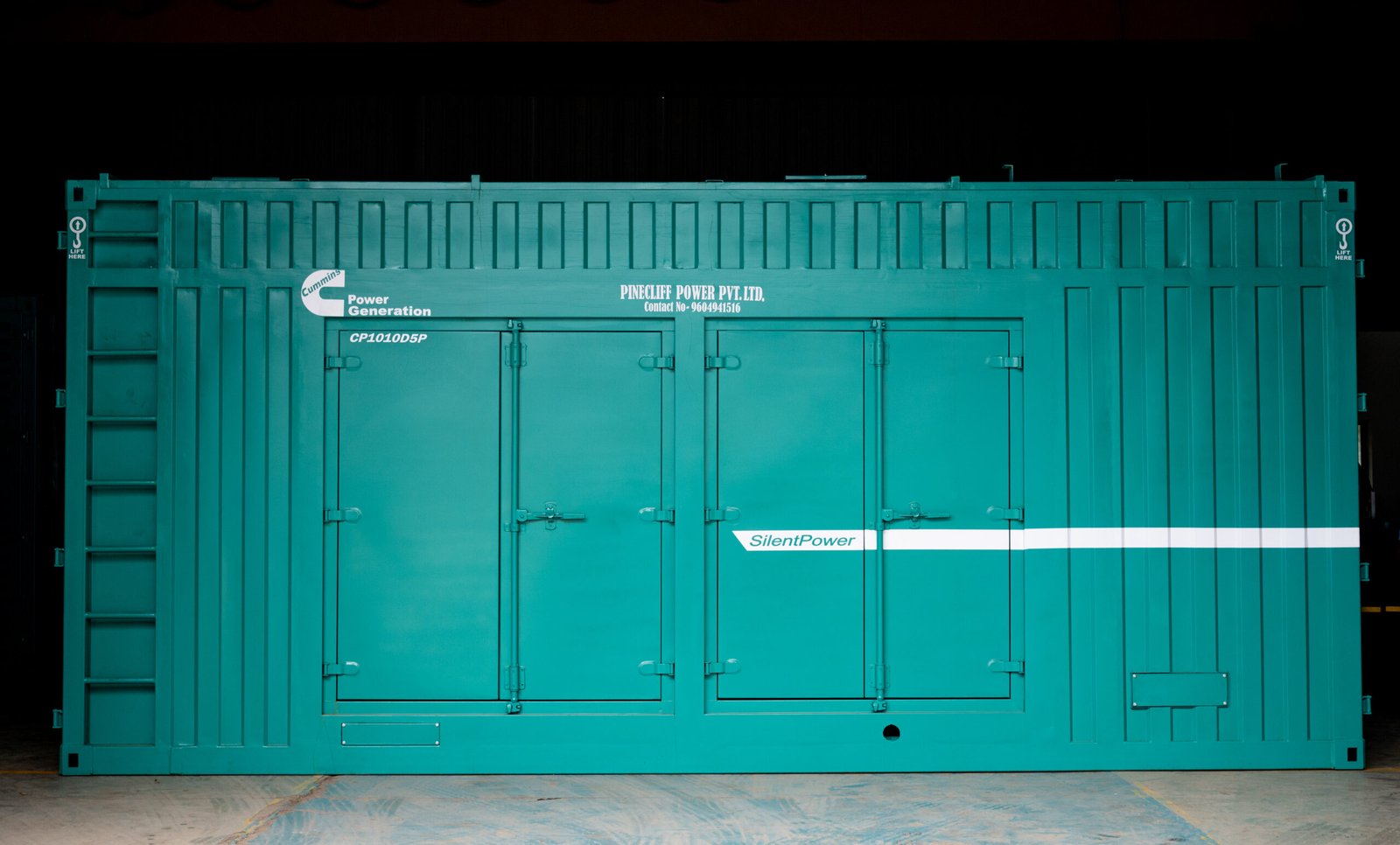
Noise is an often-overlooked but critical factor, particularly for events or installations in residential neighborhoods. Noise levels are measured in decibels (dB). A silent generator typically produces around 60–70 dB at 7 meters, about the same as normal conversation. Construction-grade units may exceed 85 dB, comparable to heavy city traffic.
Imagine hosting an outdoor conference where speakers struggle to be heard over the generator. Understanding dB ratings ensures you choose the right unit for the setting, avoiding complaints and disruptions.
6. Runtime & Tank Capacity
Generators list average runtime at 50% or 75% load, along with the size of the fuel tank. A generator with a larger tank and efficient fuel use will run longer without interruption. This is particularly important for events or job sites that cannot afford downtime.
For instance, a generator with a 400-liter tank running at 75% load might last 12 hours, while a smaller unit may require refueling every 6 hours. Choosing the right balance saves labor costs and reduces operational risks.
7. Portability & Dimensions
Not all generators are designed to stay in one place. Portable or trailer-mounted generators make transportation between job sites easy. On the other hand, stationary models may be more fuel-efficient and robust but require proper installation.
For renters, portability can mean the difference between a smooth delivery and costly crane rentals. Always check the weight, footprint, and delivery requirements of the generator you plan to use.
8. Control Panel Features
Modern generators often include advanced control panels with digital displays, automatic transfer switches (ATS), and remote monitoring. These features make it easier to track fuel levels, load percentage, and performance. For businesses relying on uninterrupted power, these specs provide an added layer of convenience and security.
Why Understanding Specs Matters
Interpreting generator specifications is not just a technical exercise—it directly impacts cost, safety, and efficiency. Renting a generator that is too small could lead to repeated shutdowns, equipment damage, or safety risks due to overload. Renting one that is too large means higher fuel consumption, unnecessary rental costs, and logistical challenges.
Being familiar with generator terminology also improves communication with rental providers. Instead of vague requests like “a big generator for my site,” you’ll be able to specify: “I need a 125 kVA three-phase diesel generator with a runtime of at least 10 hours at 70% load.” This clarity saves time, reduces errors, and ensures you get exactly what you need.
Tips for Buyers and Renters
- Calculate your load: Add up the wattage of all equipment you’ll run and include a buffer for peak demand.
- Consider future needs: Renting for multiple projects? Choose a versatile model that suits different scenarios.
- Check compliance: Look for specs that meet local noise, emissions, and safety regulations.
- Evaluate runtime vs. fuel cost: A bigger tank may cost more upfront but saves on downtime and refueling logistics.
- Ask for expert advice: If unsure, consult with a rental provider like Pine Cliff Power to match the right generator with your requirements.
Final Thoughts
Generators are powerful tools, but their effectiveness depends on choosing the right model for the job. By learning how to read technical specifications such as power rating, fuel consumption, and noise levels, you can make confident decisions whether you are renting for a single event or investing in a long-term solution.
At Pine Cliff Power, we believe in full transparency. Our rental process includes providing detailed specifications, expert consultations, and guidance tailored to each customer’s needs. With the right knowledge and the right partner, you can rest assured that your power supply will be safe, reliable, and cost-effective.