
Generator Safety on Construction Sites

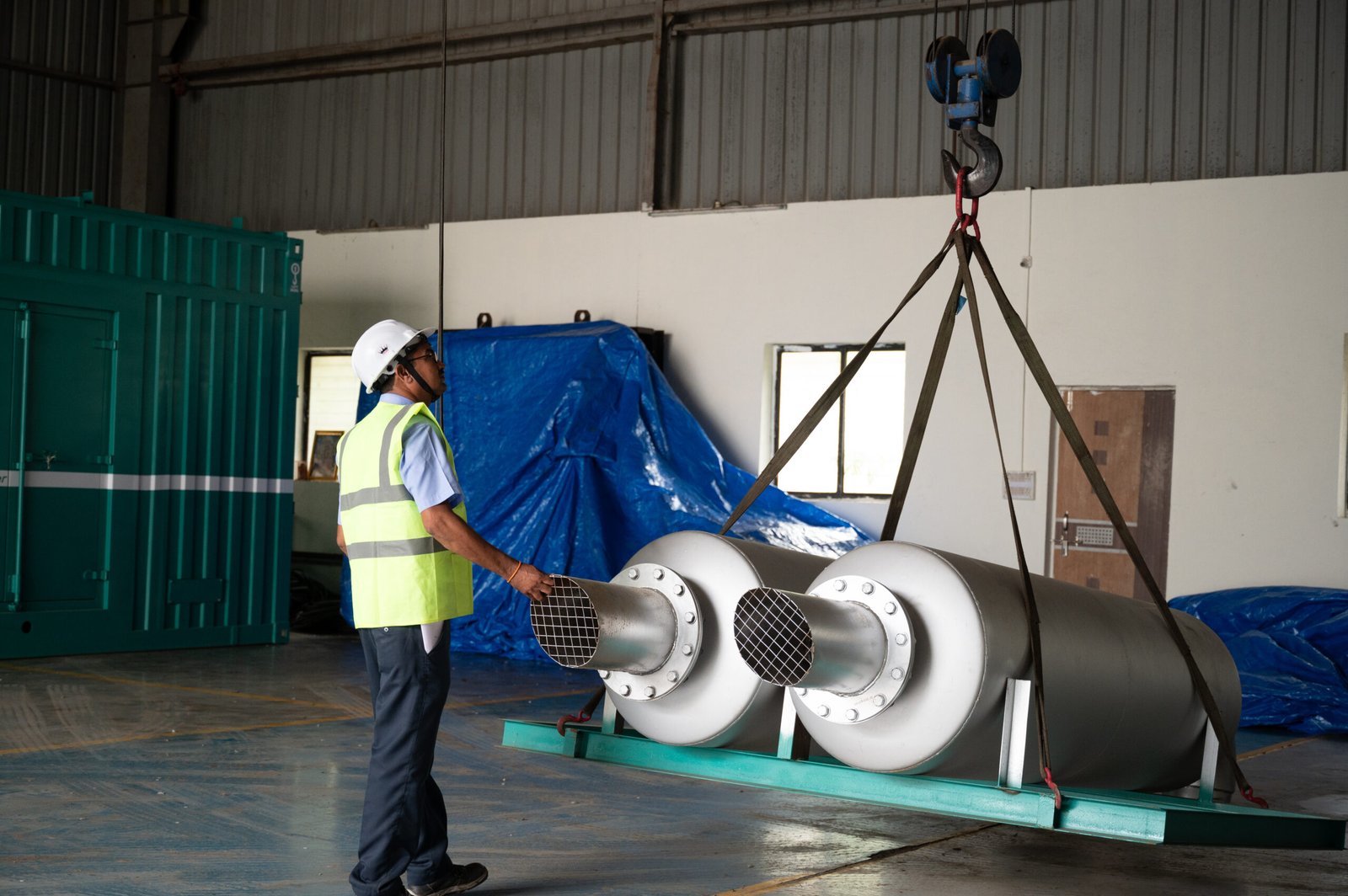
Generator Safety on Construction Sites: Best Practices You Can’t Ignore
Construction projects rely heavily on consistent and dependable power. From welding and lighting to running heavy-duty machinery, electricity is the backbone of any active site. However, when the local grid can’t meet the demands or fails unexpectedly, generator rentals step in as the unsung heroes. Yet, while generators deliver reliable energy, they can also become serious safety hazards if not managed correctly. Fires, electric shocks, carbon monoxide poisoning, and fuel mishandling are just a few risks that can turn a productive workday into a disaster.
This comprehensive guide by Pine Cliff Power will walk you through the essential generator safety protocols for construction sites. Whether you’re renting a unit or managing your own, these best practices will help ensure uninterrupted operations, protect your crew, and extend the life of your equipment.
Why Generator Safety Matters on Construction Sites
Generators are exposed to demanding work conditions on construction sites—dust, debris, vibration, moisture, and high electrical loads. Unlike fixed installations, these are temporary setups, often relocated multiple times during a project. Without the right safety approach, you risk injury, project delays, and costly damage to both machines and property.
According to the U.S. Occupational Safety and Health Administration (OSHA), more than 60% of on-site electrical incidents involve temporary power equipment such as generators and cords. In India, improper generator grounding and poor ventilation are among the leading causes of fire and carbon monoxide-related incidents at construction sites. By understanding the key risks, site managers can put effective safety systems in place before problems occur.

1. Conduct a Comprehensive Pre-Setup Inspection
Before powering up any generator, a full pre-setup inspection is essential. Check for fuel leaks, damaged cables, frayed wires, or oil residue near exhaust areas. Inspect the engine for signs of corrosion or loose fittings, and ensure the fuel tank is sealed properly.
- Inspect grounding wires and ensure continuity.
- Confirm oil and coolant levels are adequate.
- Ensure all safety guards, covers, and warning labels are in place.
- Check for rodent nests or debris inside air vents.
Document every inspection in a site safety log. A small issue identified early can prevent a major breakdown later.
2. Select the Right Location for Setup
Placement plays a critical role in generator safety. Always position the generator on a firm, level surface—preferably a concrete or gravel pad—to prevent tipping or fuel spillage. Keep it at least 15–20 feet away from work areas, flammable materials, and living quarters.
Adequate airflow is non-negotiable. Poor ventilation can lead to carbon monoxide accumulation, which is both odorless and deadly. Ensure the exhaust outlets point away from workers and enclosed spaces.
3. Proper Grounding and Load Distribution
Electrical stability begins with proper grounding. Unsecured or incorrect grounding increases the risk of shock and equipment failure. Always connect the generator frame to a dedicated grounding rod using approved copper wire.
Distribute electrical loads evenly across outlets. Overloading can cause voltage drops, overheating, or even generator failure. Use only heavy-duty, outdoor-rated cables rated for the total load capacity.
4. Manage Fuel with Extreme Caution
Fuel-related accidents are among the most common site hazards. Follow strict protocols when storing and refueling:
- Store fuel in approved containers marked “Flammable.”
- Keep storage at least 10 meters away from the generator and heat sources.
- Always switch off and allow the generator to cool before refueling.
- Never smoke or use open flames near fuel storage or filling areas.
Additionally, avoid overfilling the tank, as expansion during heat can cause spillage. Keeping a spill kit nearby is a good precaution for quick cleanup.
5. Implement Routine Maintenance and Servicing
Even the best equipment fails without regular care. Maintenance should be scheduled at specific intervals or after a defined number of operating hours. A well-serviced generator not only runs more efficiently but also minimizes risk.
- Change engine oil every 100–150 operating hours.
- Clean or replace air filters regularly to prevent clogging.
- Inspect spark plugs and fuel filters for wear and deposits.
- Perform load tests monthly to ensure the generator can handle demand safely.
Keep a maintenance record for every generator unit. This helps in predictive maintenance planning and ensures compliance with safety regulations.
6. Train Workers in Safe Operation
Generator safety begins with awareness. Every worker who operates or works near a generator should receive training on proper usage and emergency procedures. Training should include:
- Safe start-up and shutdown techniques.
- Recognizing warning indicators (smell of fuel, unusual noise, vibration).
- Basic troubleshooting and reporting steps.
- Fire extinguisher handling and evacuation routes.
Encourage workers to wear personal protective equipment (PPE) such as gloves, boots, and ear protection. Post safety signage around generator zones to reinforce safe habits.
7. Handle Weather and Environmental Factors
Outdoor sites in India face unpredictable weather—intense heat, monsoon rains, and dust storms. Protect generators with waterproof canopies or enclosures that allow airflow while keeping out moisture. Use elevated platforms or drain channels to prevent flooding near the generator.
During high heat, monitor oil levels and engine temperature more frequently. In dusty conditions, clean air filters daily to maintain airflow and prevent overheating.
8. Follow Local Regulations and Safety Standards
Every region has specific compliance requirements for generator installation and operation. In India, the Central Pollution Control Board (CPCB) defines permissible noise and emission levels for DG sets. Additionally, local municipal authorities may have placement or noise restrictions within city zones.
Non-compliance can lead to fines or forced shutdowns. Always ensure your rental generator provider follows CPCB norms and offers equipment with valid emission certifications. Pine Cliff Power ensures that every rental generator is tested, compliant, and ready for safe on-site use.
9. Plan for Emergencies
Despite best efforts, emergencies can happen. Every site should have an emergency action plan covering:
- Fire suppression equipment and location.
- First-aid response kits and trained personnel.
- Quick shutdown procedures.
- Evacuation routes clearly marked around power zones.
Conduct regular safety drills and assign a designated generator safety officer for each shift. Quick response during emergencies can make all the difference.
Final Thoughts
Generator safety on construction sites isn’t just a checklist—it’s an ongoing commitment to worker welfare and operational efficiency. Every precaution taken today prevents costly downtime tomorrow. From selecting the right generator size and setup location to ensuring regular inspections and training, each step plays a critical role in keeping your project powered and protected.
At Pine Cliff Power, we don’t just rent generators; we deliver peace of mind. Our fleet includes modern, well-maintained, CPCB-compliant units equipped with safety features and support services. Whether your project spans a few days or several months, we provide expert consultation, on-site setup assistance, and 24/7 technical support to ensure your operations run smoothly and safely.
Contact our team today to discuss your site’s power needs and discover how Pine Cliff Power can help you maintain a safe, reliable, and efficient work environment—one generator at a time.
Empower Your Construction Site with Safe and Reliable Generator Rentals
Safe power solutions are the foundation of every successful construction project. By following these essential generator safety tips, site managers can protect workers, prevent accidents, and keep operations running without interruption. At Pine Cliff Power, we specialize in providing CPCB-compliant generator rentals designed for demanding construction environments across India. Our expert technicians ensure every rental generator is installed, grounded, and maintained for maximum safety and efficiency.
Whether you need temporary power for a short-term build or a long-term energy solution, Pine Cliff Power delivers dependable construction site generators backed by 24/7 support and maintenance. Partner with us to keep your site powered safely, efficiently, and without compromise.
Contact Pine Cliff Power today to discuss your project’s energy requirements and discover how our generator rental services can help you achieve uninterrupted progress—safely and sustainably.